




History
Step through our stately archway...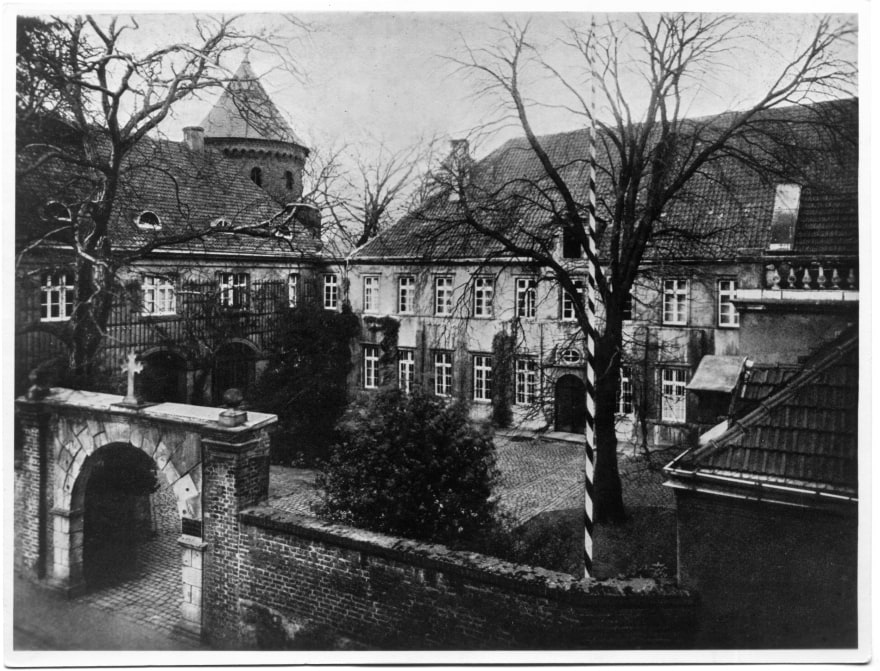
Traditional history of Engelsburg Recklinghausen
Step through our stately archway and enter the long, traditional history of Engelsburg Castle. The baroque residential building was erected in 1701 by the Electoral-Cologne governor and judge Clamor Constantin Münch and borders on the only remaining part of the medieval city wall. The vernacular probably unceremoniously named the fortress-like building “Engelsburg” after its site “Im Rom” many years ago, after the Roman original. The naming was the reason for the construction of the romantic Angel Fountain in the inner courtyard, which is still preserved today.
History in pictures
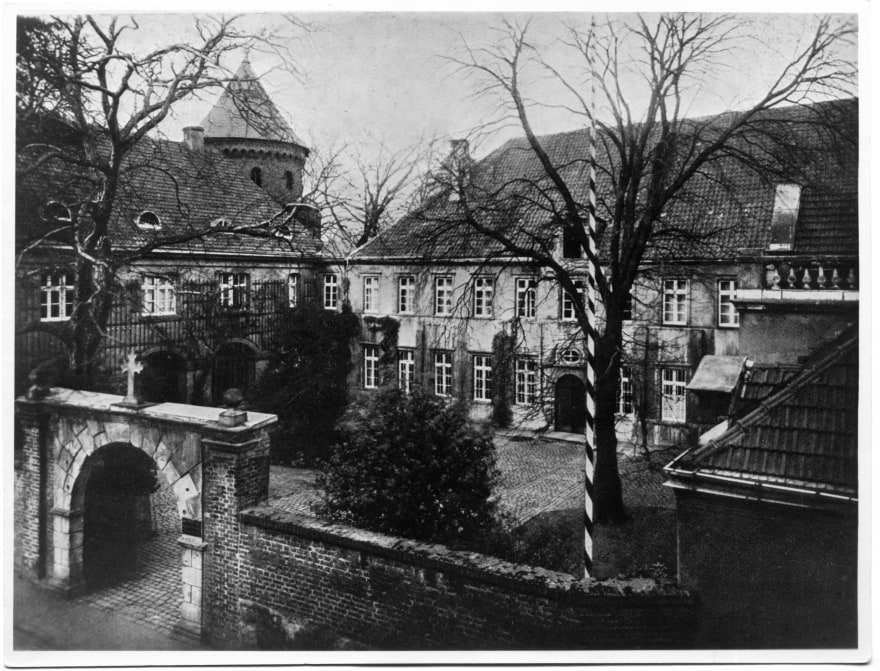
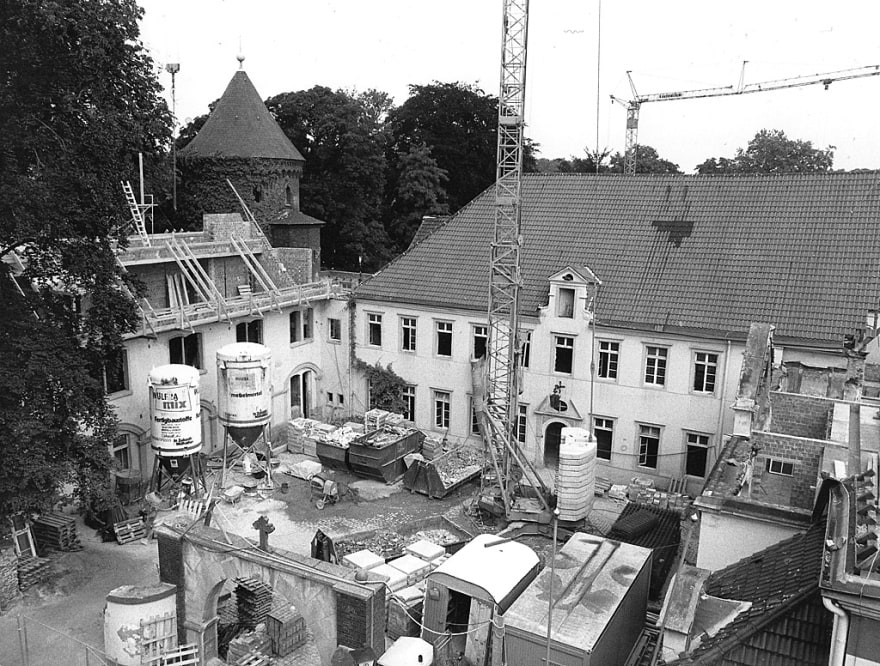
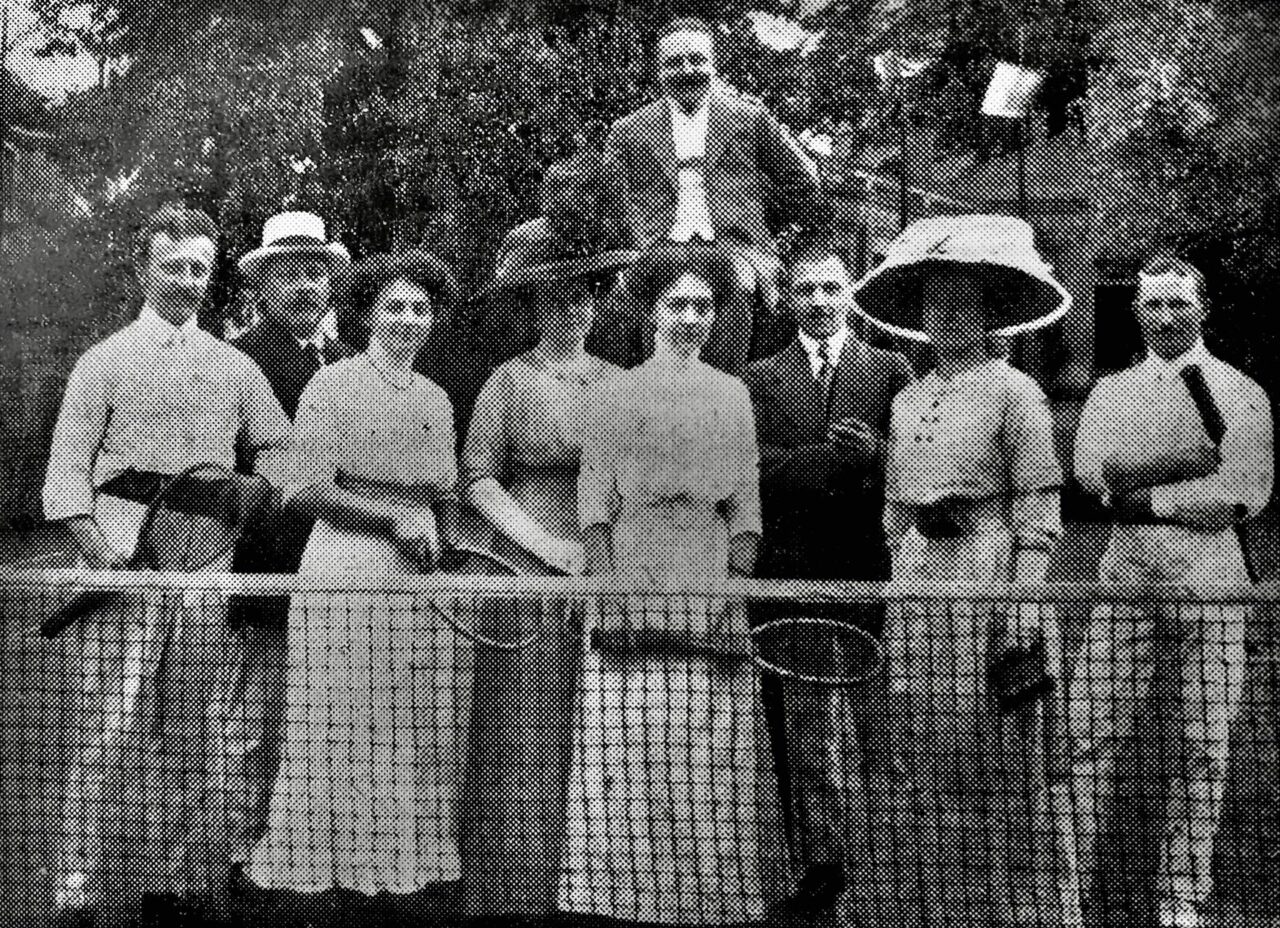
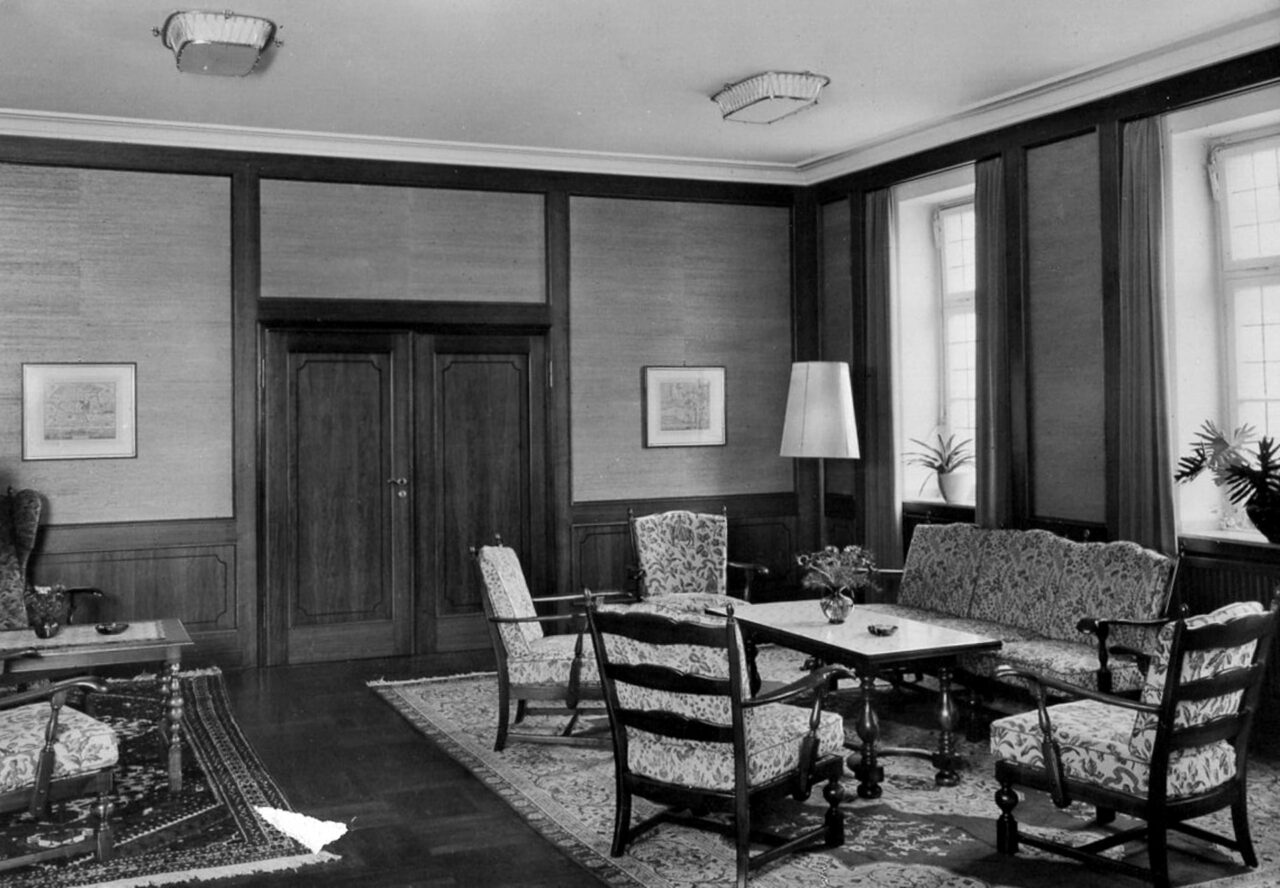
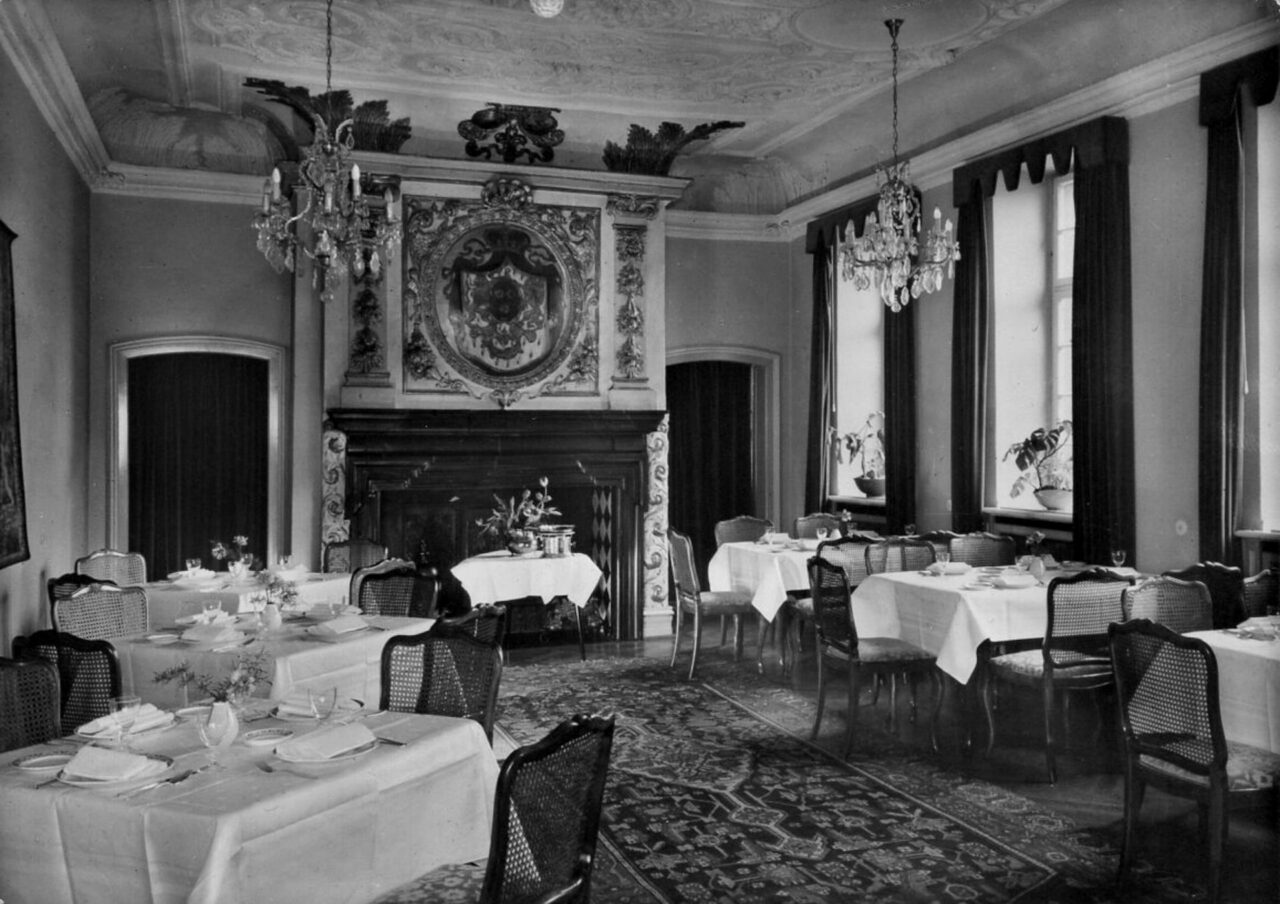
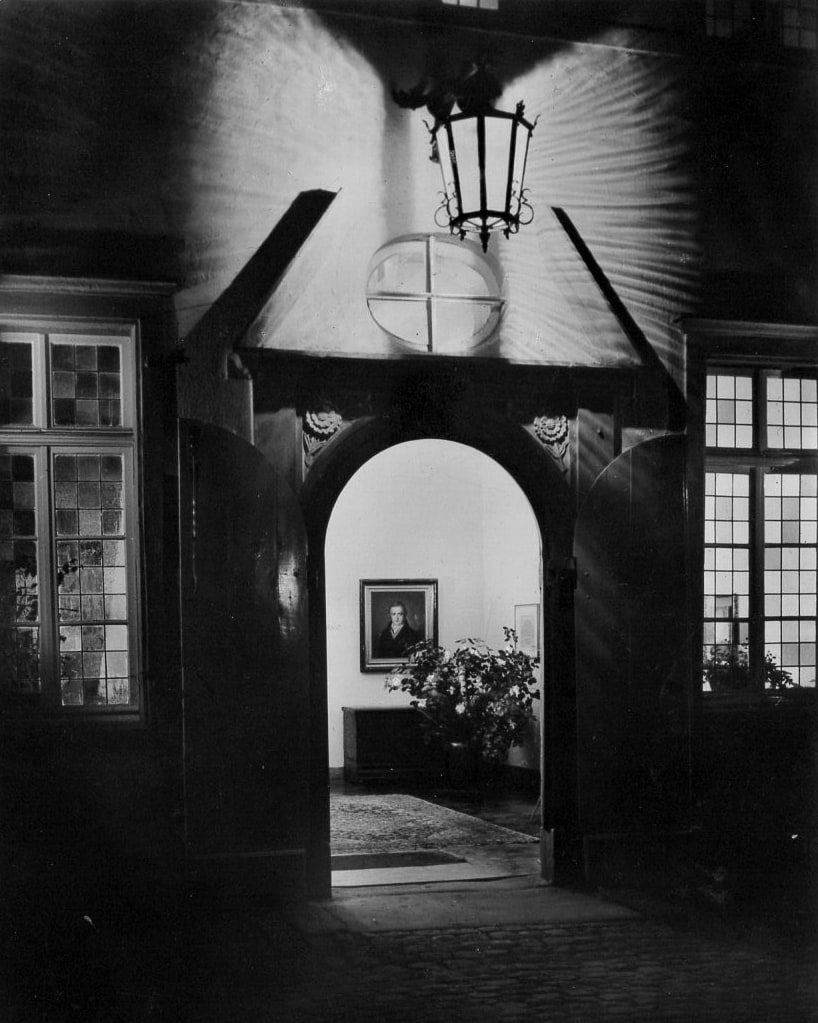
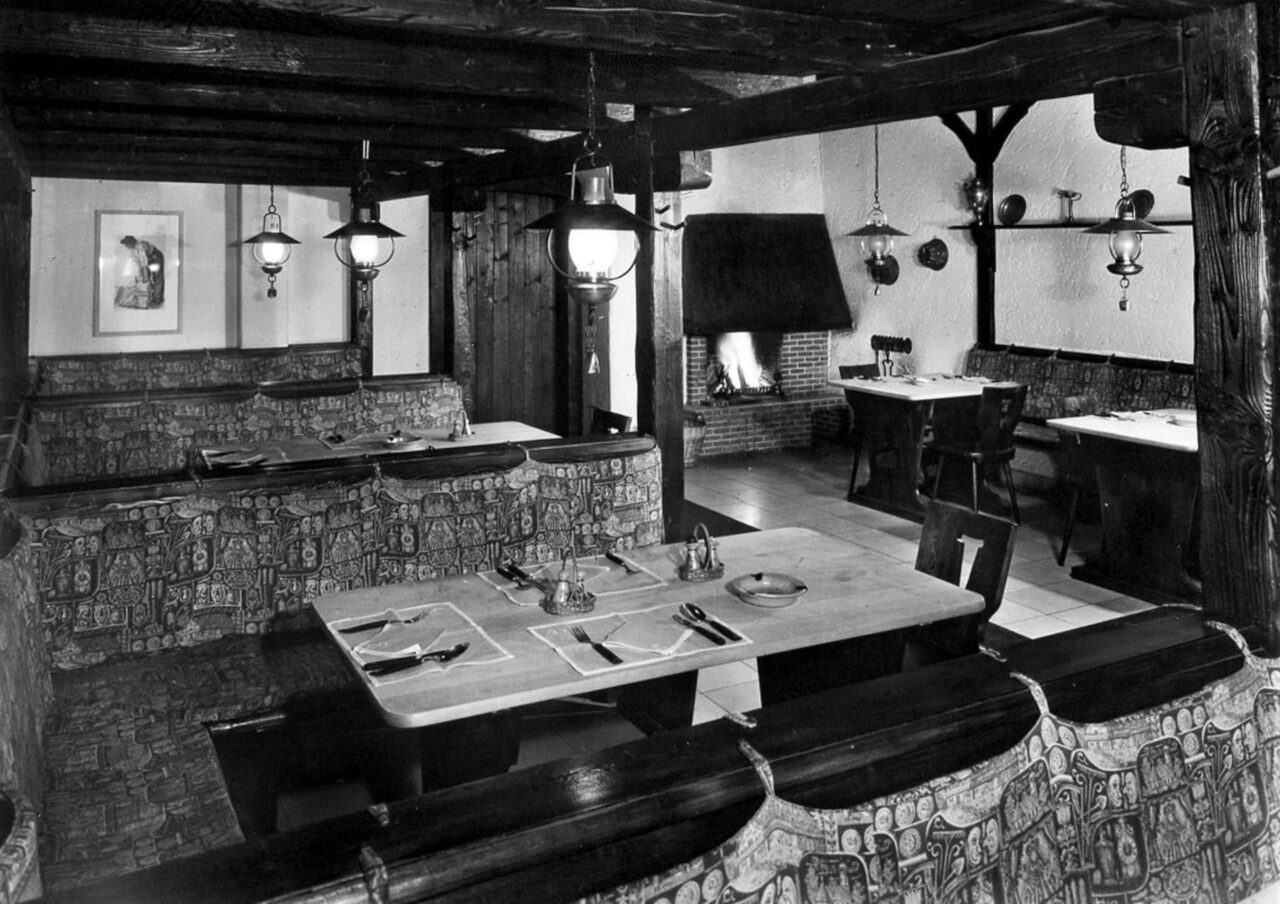
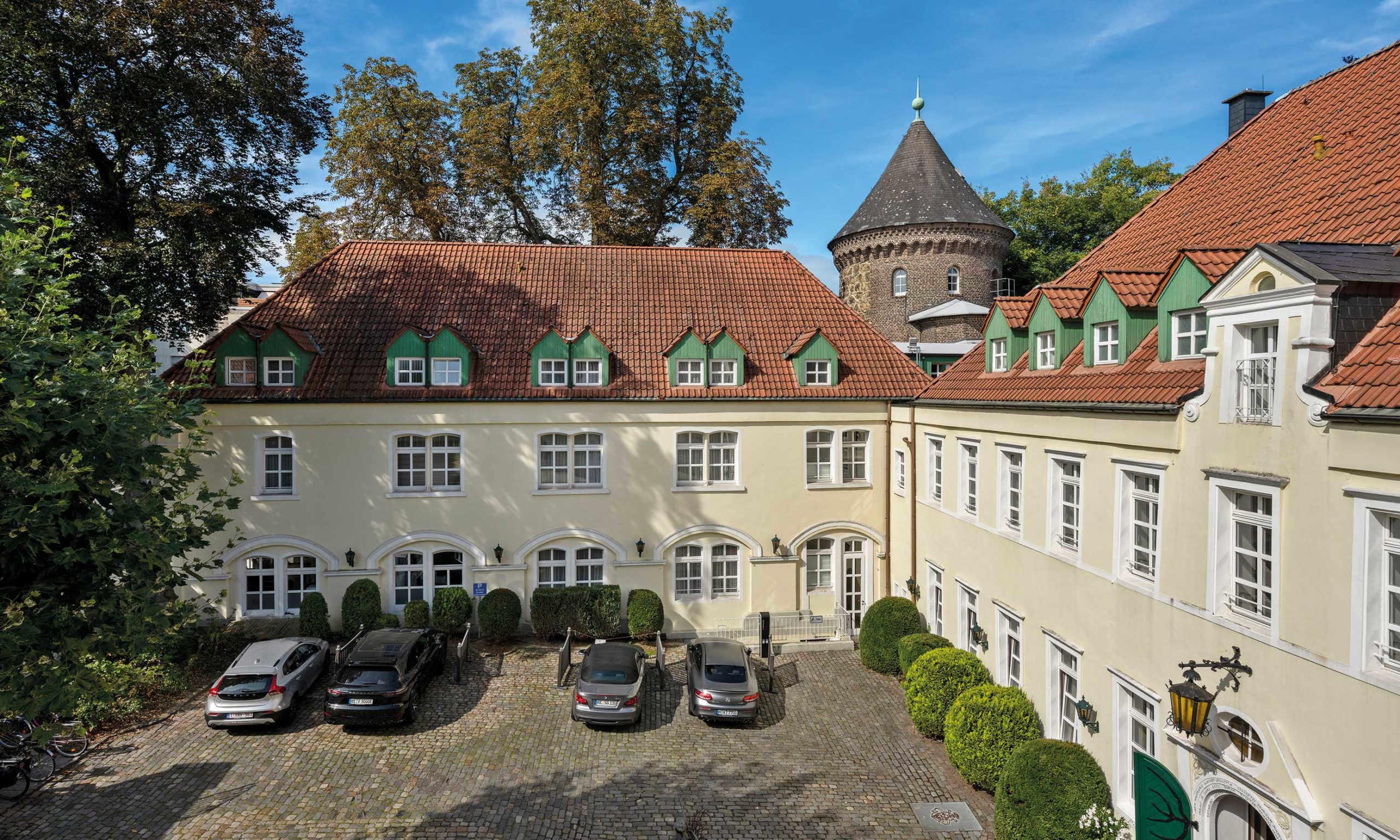
At the beginning of the 19th century, under Ludwig-Engelbert von Arenberg, the building was temporarily the ducal administrative seat, and for many years it served as the seat of the court chamberlains. In the 1920s, French troops were quartered in the Engelsburg during the occupation of the Ruhr. In July 1939, the Vestische Archiv moved into the Stephansturm and parts of the west wing. With the end of the Second World War, the English army confiscated the buildings for several years.
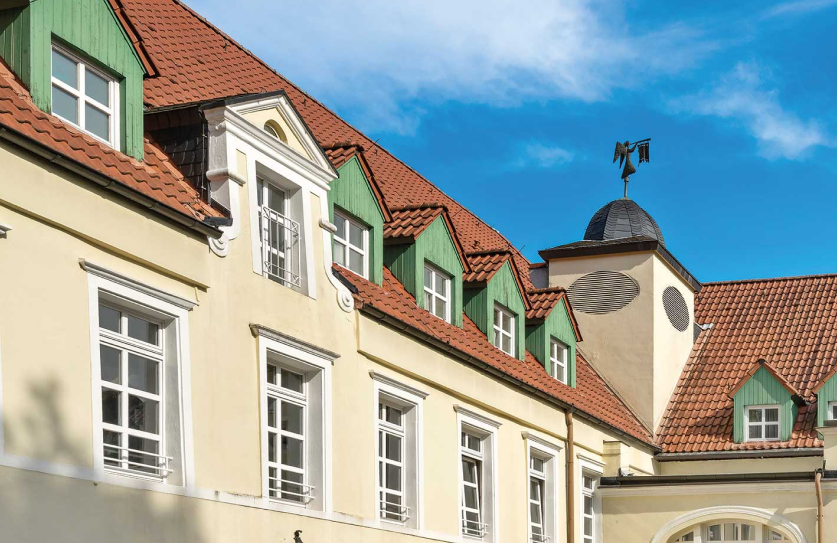
In 1973, the property was used as a hotel for the first time. A few years later, on 24 November 1982, Engelsburg was declared a listed building. After extensive renovation work, the Best Western Premier Parkhotel Engelsburg was opened in 1995. Since then, with its 65 different rooms and the three-storey suite in the St. Stephen’s Tower, it has offered accommodation of a very special kind.
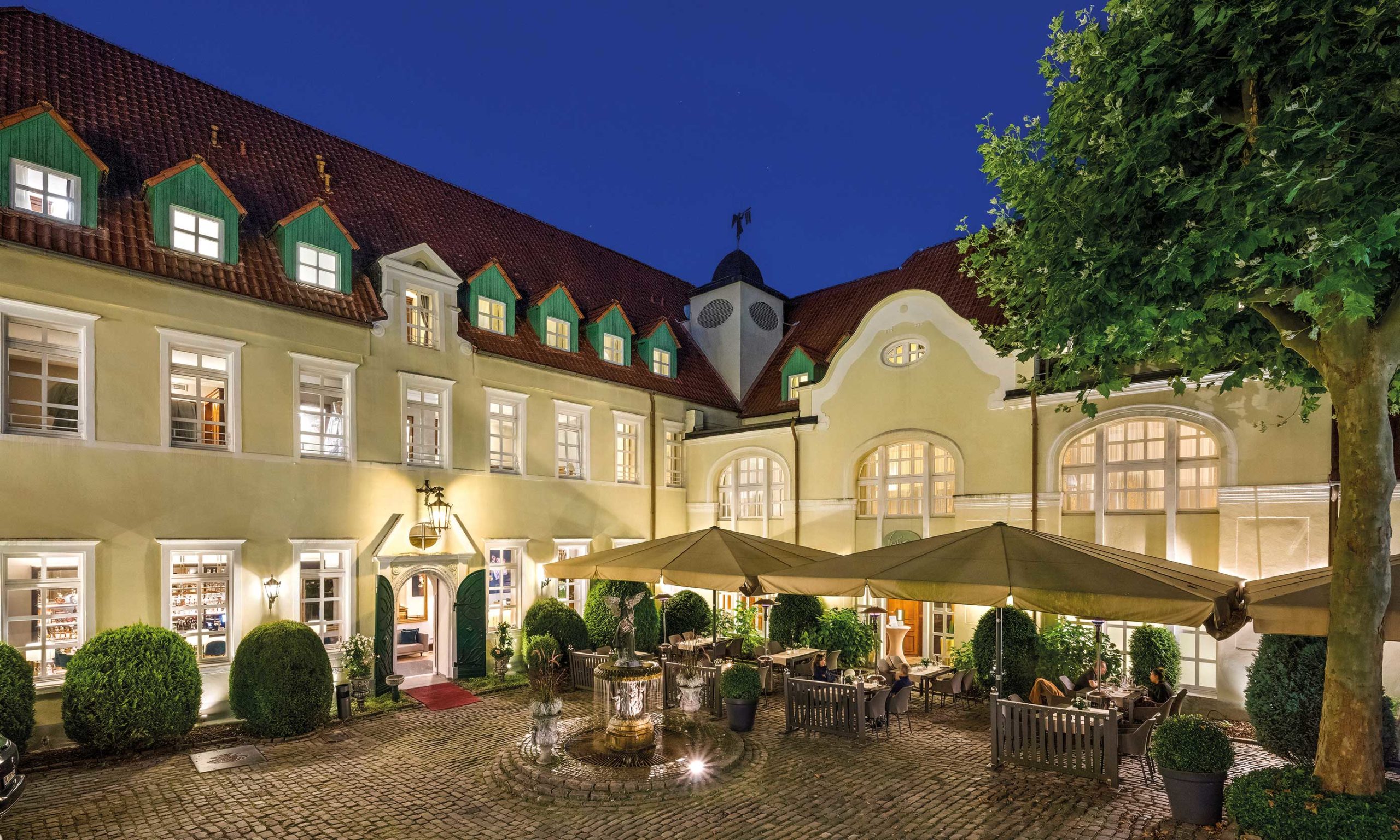
The Kaminzimmer, the former garden room, with its baroque stucco ceiling and stone fireplace, is also worthy of mention. Today, wedding ceremonies are regularly held here, birthdays are celebrated and conferences and seminars are planned. Elegance, style and the ambience of the centuries can be found everywhere in the Parkhotel Engelsburg, mixed with modern comfort and excellent service – true to our motto: “Living Tradition”.
You can find the detailed history of the Engelsburg here: